Yongping Chen › Awareness Campaign
Noble Life Sciences · Six-month awareness campaign

Put Yongping in the room, then make the room searchable.

Dr. Chen has spent seventeen years in the Washington–Baltimore preclinical community and carries a business-development network Noble is not currently converting. This campaign turns each appearance he already plans to make into content that ranks, gets cited by AI assistants, and lands in the inbox of people who already know him.

The goal

More biotech sponsors booking preclinical studies with Noble. Everything below — the events, the posts, the articles, the emails, the sequences — exists to move a company from not knowing Noble to signing a study. Awareness is the mechanism, not the objective.

12
Events, Aug–Feb
6
Expert articles
18
LinkedIn posts
2
Sales sequences
1
Goal: inbound RFPs
1
Be present

Yongping becomes visible in the places buyers already are — in person and in the feed.

2
Capture the expertise

Turn what he already knows into reusable source material. No crew, no studio.

  • One photo per event
  • One 90-second phone video answering a real question
  • Quarterly interview sessions to bank article material
  • Questions logged from every call and event
3
Publish everywhere

One capture becomes four assets across three voices.

4
Convert to booked studies

Every asset routes to the same place: a study-design call with Dr. Chen.

Why it works
3rd party

Yongping saying Noble is good is marketing. Chris Frew tagging him in a BioBuzz recap is a referral in front of the whole region. Both of the LinkedIn posts we already have show 77 and 258 reactions on posts he happens to be standing in — the reach is there and free, it just isn't naming him.

Citable

Search and AI assistants both reward pages that answer a specific question in a specific voice, from a named person with credentials. Noble has scientists who can do that from direct experience, and a competitor's marketing agency cannot fake it. Adding those answers to pages that already rank is the cheapest way to get credit for expertise Noble already has.Video is hosted on YouTube rather than self-hosted because YouTube is the most-cited domain in Google's AI Overviews. That is a hosting decision, not a channel strategy — see the note in section 04.

Warm

A sequence from Yongping's own inbox, referencing an article he wrote and an event they both attended, is a fundamentally different email from a Noble marketing blast. That is the entire argument for building this around a person rather than the brand.
What Yongping brings
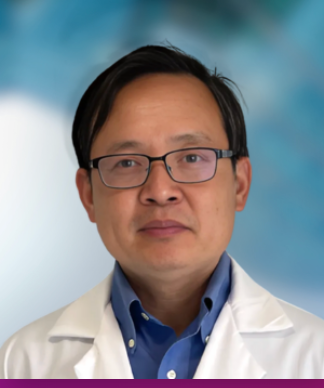
Yongping Chen, M.D., Ph.D.
Vice President, Preclinical Research and Development
Noble Life Sciences
  • 17 years in DC–Baltimore preclinical CRO work
  • Director of Operations, Washington Biotechnology (5.5 yrs) — ran the shop, not just the science
  • Scientific Advisory Board, Lahjavida
  • Postdoctoral fellow, Johns Hopkins School of Medicine
  • Ph.D., University of Science and Technology of China; Clinical Medicine, Anhui Medical University
The operations decade is the asset. He can answer “why did my study slip” and “why did that quote come in high” from having been the person who had to explain it. That is the voice this content is written in.
02
The calendar

Twelve events, three tiers, one content deliverable each

Every event below produces exactly one photo, one 90-second video, and one LinkedIn post. Tier decides how much preparation goes in beforehand — Tier 1 events get a pre-written question for Yongping to ask from the floor and a target list of three people to meet.

Tier 1 — BD priority
Tier 2 — attend & capture
Tier 3 — teach, don't attend
Date
Event
Where
What it produces
Tier
Aug 24–27
Flow Cytometry: Principles, Methods & ApplicationsFEATURED
Bioscience Education Center, Germantown, MD
Pitch Yongping as a guest instructor for the multicolor flow panel session. Teaching beats attending.
Tier 3
Aug 27
The Triple Strike: Learn, Play, Network
Pinstripes, North Bethesda, MD
Photo and a short social post. Relationship event — the value is the room, not the content.
Tier 2
Sep 3
Innovation Through Collaboration in Biotech
New Spire Arts, Frederick, MD
Article 1 launch peg. Frederick is Noble's back yard. Video: “What makes a first IND-enabling package slip?”
Tier 1
Sep 9–11
Next Generation Sequencing (NGS) IntroductionFEATURED
Bioscience Education Center, Germantown, MD
Same approach as flow cytometry — offer a Noble scientist as faculty. Teaching a room of technique users is a credibility asset the recap post can use.
Tier 3
Sep 17
9th Annual BioHealth Capital Region Investment Conference
US Pharmacopeia, Rockville, MD
Highest-value room of the campaign. Newly funded companies need preclinical work within 6 months. Target: 3 conversations, 1 video.
Tier 1
Sep 22
The Convergence of Life Sciences and Healthcare DeliveryFEATURED
TRIAD1828 Centre, Camden, NJ
Extends reach beyond the DMV into the Philadelphia corridor. Pair with the Oct 5–6 Philadelphia trip if travel budget is tight.
Tier 2
Sep 23
Built to Scale: The Operational Infrastructure Behind Commercial-Stage Pharma
Supernus Pharmaceuticals, Rockville, MD
His topic exactly. Five years running operations at a CRO. Ask BioBuzz for a panel seat, not a ticket.
Tier 1
Sep 28
BioHub Maryland's Science Scramble Golf Tournament
Whiskey Creek Golf Course, Ijamsville, MD
Four hours with three people. Worth more than most conferences if Noble picks the foursome deliberately.
Tier 2
Oct 1
BioBuzz OktoberfestFEATURED
Brookeville Beer Farm, Brookeville, MD
The single best photo opportunity of the year. Largest informal BioBuzz gathering; Chris Frew posts a recap every time.
Tier 1
Oct 5–6
Pharma Clinical Innovation USA 2026
Philadelphia, PA
Clinical-stage audience looking backwards at their nonclinical package. Article 3 peg: what reviewers ask for that you didn't run.
Tier 2
Nov 16–17
U.S. Biotech Day
Valley Forge Casino Resort, King of Prussia, PA
Two-day format allows a full sit-down video interview between sessions. Bank three videos here, not one.
Tier 2
Feb 4
Big Idea CONNECTpreneur Baltimore Forum
bwtech South at UMBC, Baltimore, MD
Campaign close. Pre-seed and seed founders — the earliest possible point to be the CRO they already know. Reprise the full article series here.
Tier 1

One ask that changes the economics. Before September, Noble should ask BioBuzz for a speaking or panel slot at two of the Tier 1 events rather than buying tickets to all twelve. Yongping on a panel produces a photo, a video, a quote, and a mention in the recap post — four assets from one evening. Yongping in the audience produces one photo.

03
Social

Six posts, three voices

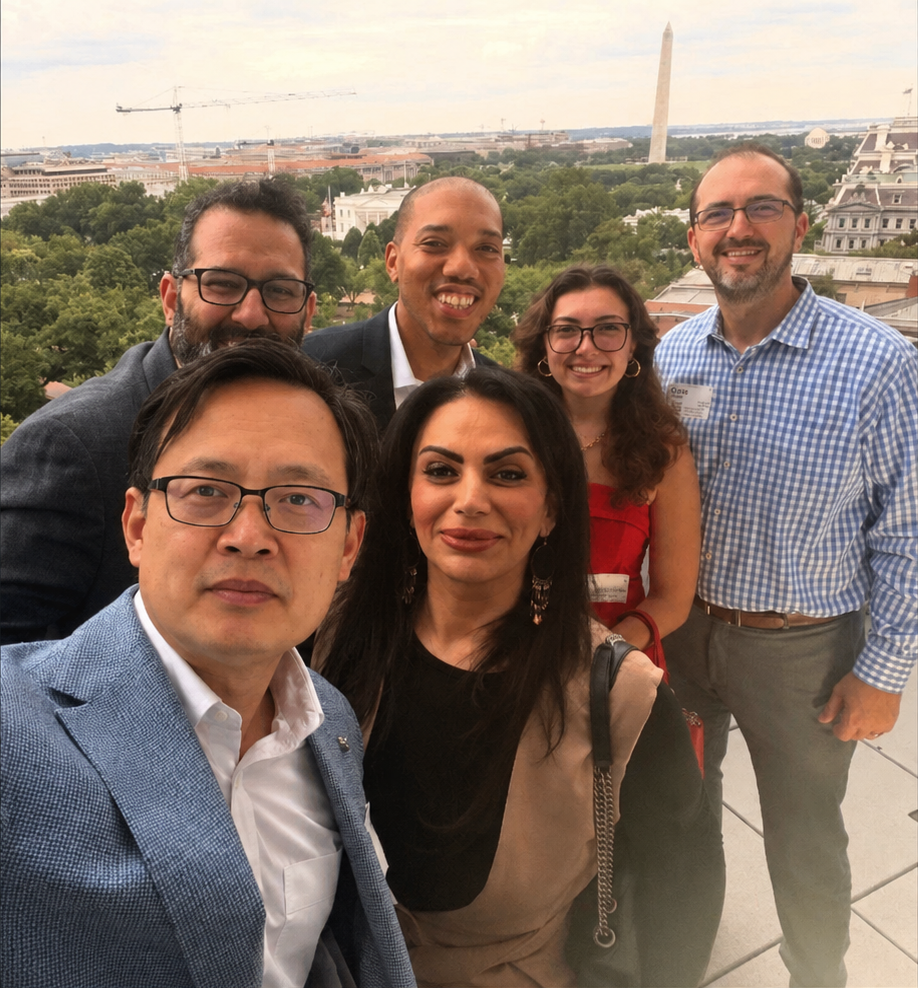
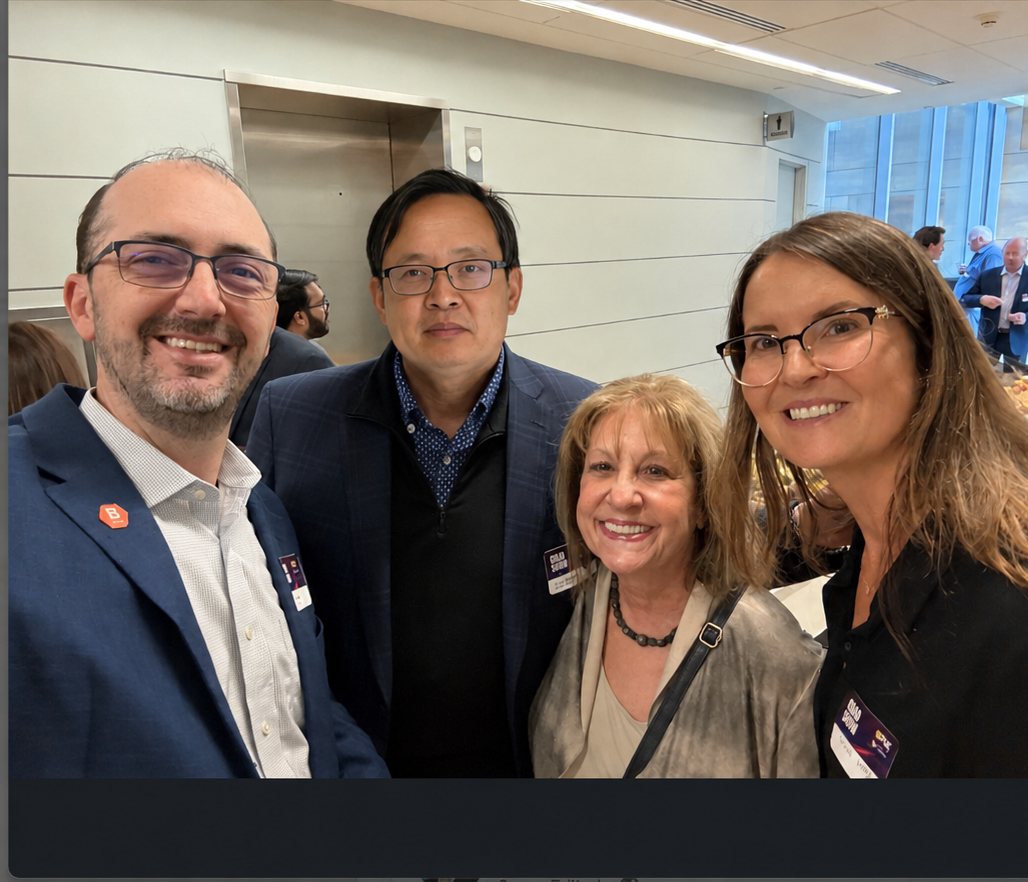
The BioBuzz posts are drafts written for Chris Frew — they only exist if he agrees to name Yongping, so the ask is part of the plan, not an assumption. Photos below are real, from events Yongping has already attended.
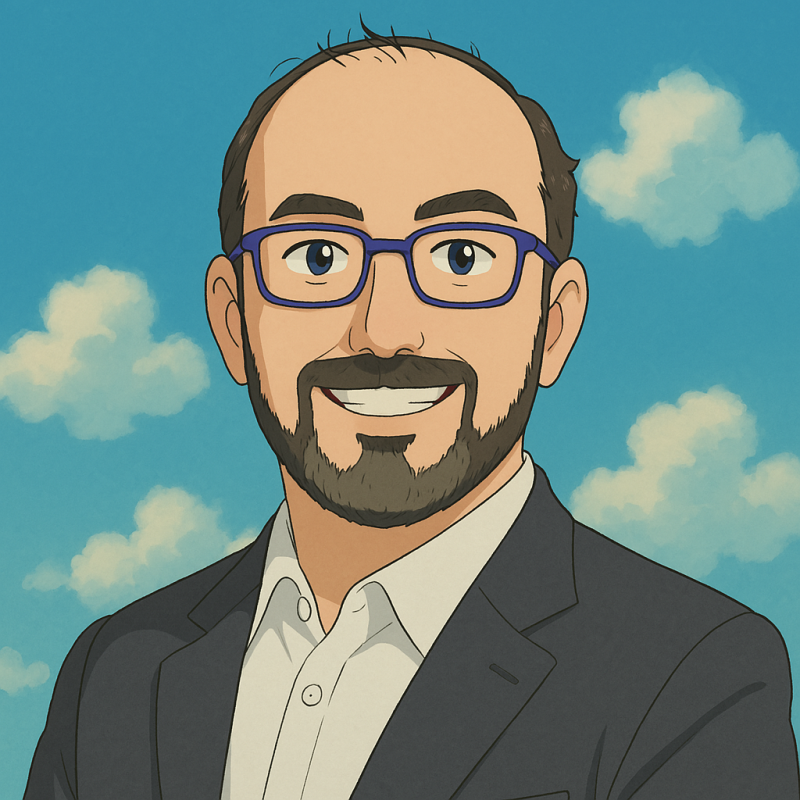
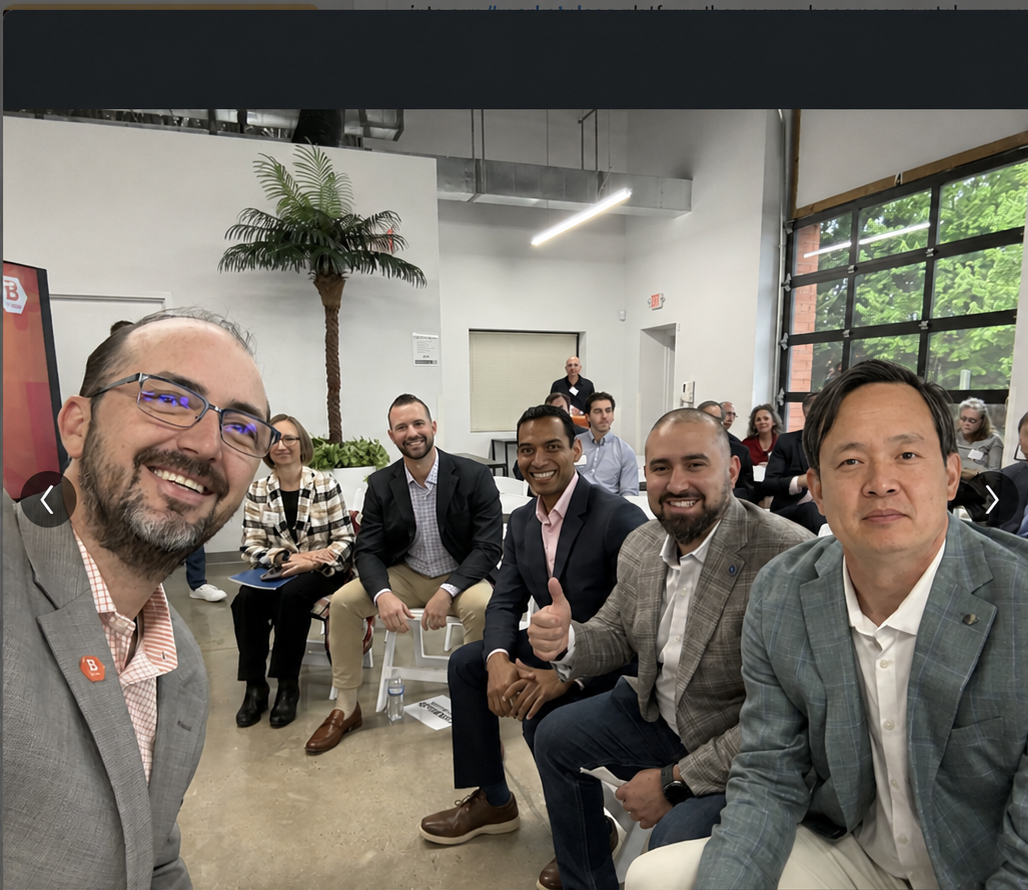
Draft copy for approval. Chris Frew's posts must be agreed with him before anything is scheduled; the Noble and Yongping posts are ready to publish once Dr. Chen signs off on the technical claims.
Post 1 · BioBuzz founder Oct 1 — Oktoberfest recap
Chris Frew
Chris Frew· 1st
#BioBuzz get's ecosystems & employers b…
2h · 🌐
Brookeville Beer Farm. Two hundred people who build drugs for a living, standing in a field. 🍺 Every year Oktoberfest reminds me that the BioHealth Capital Region's advantage isn't a building, it's the fact that you can find the person who knows the answer within about ten feet. Case in point — spent twenty minutes with Yongping Chen, M.D., Ph.D., VP of Preclinical R&D at Noble Life Sciences, on why so many first-time founders blow their timeline on the tox package. His answer: it's almost never the science. It's dose selection made before anyone checked whether the formulation is stable at that concentration. Seventeen years in preclinical between Noble and Washington Biotechnology. If you're going into your first IND-enabling study, he's worth the coffee. #BioBuzz #Preclinical #Maryland
BioBuzz event
👍👏❤️ 18611 comments · 4 reposts
Like
Comment
Repost
Send
Post 2 · BioBuzz founder Sep 17 — BHCR Investment Conference
Chris Frew
Chris Frew· 1st
#BioBuzz get's ecosystems & employers b…
1d · 🌐
Places matter most because of the people who help them grow. 💪 This week in the heart of DC, overlooking some of the most iconic symbols of America, I had the fortune of being among some of the people who are investing in the future of #Medtech. Among them, Yongping Chen, M.D., Ph.D. of Noble Life Sciences — one of the few people in this region who has both run a GLP animal facility and sat on the other side of the table as an operator. When founders in the room asked what preclinical actually costs, he was the one giving numbers instead of ranges. That's what this ecosystem runs on. #BioBuzz #BioHealthCapitalRegion
Event in Washington DC
👍👏❤️ 946 comments · 3 reposts
Like
Comment
Repost
Send
Post 3 · BioBuzz founder Sep 23 — Built to Scale panel
Chris Frew
Chris Frew· 1st
#BioBuzz get's ecosystems & employers b…
4h · 🌐
Last night at Supernus Pharmaceuticals for "Built to Scale: The Operational Infrastructure Behind Commercial-Stage Pharma" 🧬 and the operators showed up. Yongping Chen, M.D., Ph.D. of Noble Life Sciences made the point of the night: scaling isn't a capacity problem, it's a decision-sequencing problem. Most delays he sees were locked in months before anyone dosed an animal. Five and a half years running operations at a CRO before this role. When he says a study slipped, he means he was the one who had to make the call. Great to see this many people who've actually built the infrastructure in one room. #BioBuzz #Pharma #Operations
Industry panel event
👍👏❤️ 1219 comments · 2 reposts
Like
Comment
Repost
Send
Post 4 · Yongping Sep 4 — day after Frederick
Yongping Chen
Yongping Chen, M.D., Ph.D.
Vice President, Preclinical Research and Development at Noble Life Sciences
18h · 🌐
A founder asked me last night how long an IND-enabling package really takes. I gave her the honest version. Six to nine months for most small molecules. Nine to fourteen for biologics and cell and gene programs, because biodistribution and immunogenicity work does not compress. Then she asked the better question: what makes it longer than that? In my experience it is almost never the science. It is a dose chosen before anyone confirmed the formulation was stable at that concentration, and an analytical method that was not ready when the study started. I have been on both sides of that conversation — five years running operations at a CRO, and now on the R&D side at Noble Life Sciences. The repeat study is the most expensive thing in preclinical development, and it is almost always preventable. Good evening in Frederick. #Preclinical #INDEnabling #BioBuzz
Yongping Chen at a BioBuzz event
👍👏❤️ 6414 comments · 5 reposts
Like
Comment
Repost
Send
Post 5 · Yongping Sep 8 — article launch
Yongping Chen
Yongping Chen, M.D., Ph.D.
Vice President, Preclinical Research and Development at Noble Life Sciences
3d · 🌐
The same ten questions come up with almost every first-time founder I talk to. At events, on calls, in the hallway after a panel. So I wrote them down. Ten questions, ten straight answers — including the two most expensive mistakes I see, which are skipping dose-range finding to save six weeks, and finalizing a formulation before talking to anyone who has to dose it. No gate, no form. If it saves one program a repeat study it was worth the afternoon. Link in the comments. Happy to argue with any of it.
Noble Life Sciences
Top 10 Questions Biotechs Ask Before Their First IND-Enabling Study
noblelifesci.com · 9 min read
👍👏❤️ 14831 comments · 18 reposts
Like
Comment
Repost
Send
Post 6 · Noble company page Sep 9 — reshare, 24h later
Noble Life Sciences
Noble Life Sciences
2,140 followers
2d · 🌐
Our VP of Preclinical R&D wrote down the ten questions he gets asked most by first-time sponsors. We are publishing it without a form, because the people who need it most are the ones with the least budget for a consultant. Question 4 is the one worth the click: what a dose-range-finding study actually costs you, and why skipping it is the most expensive six weeks you will ever save.
Yongping Chen
Yongping Chen, M.D., Ph.D.
VP, Preclinical R&D at Noble Life Sciences · 3d
The same ten questions come up with almost every first-time founder I talk to… see more
👍👏❤️ 874 comments · 12 reposts
Like
Comment
Repost
Send

The posting order matters more than the copy. Yongping posts first. Noble's company page reshares 24 hours later, not the same day — a same-day company reshare tells LinkedIn's ranking system the post is corporate and suppresses its reach in personal feeds. Chris Frew's recap runs whenever he runs it; we never ask for timing, only for the mention.

04
Article & video

A repeatable article format, built the way AI assistants cite

Every article in the programme is built to the same template, and the mockup below is the first of them worked through in full so the pattern is visible. Each one is added to an existing noblelifesci.com services page following the approach we built for Pace: exact-question headings, a two-sentence answer above the fold of each section, a visible video embed, named expert attribution, and FAQPage plus VideoObject schema. Six are scheduled through February, and the format keeps producing after that for as long as Dr. Chen keeps getting asked new questions.

Rule 1

Do not build one page per question. Google names that as scaled content abuse. All ten answers live on one page, inside one FAQ block.

Rule 2

Add to a page that already ranks rather than creating a new URL. Pages already in Google's top ten supply the largest single share of AI Overview citations.

Rule 3

Text above video. AI systems cite text, not footage. The video earns the YouTube presence; the paragraph above it earns the citation.
noblelifesci.com/services/ind-enabling-toxicology/
Noble Life Sciences
ServicesTherapeutic AreasAbout
Request a Quote
Services › Exploratory & General Toxicology › IND-Enabling Studies

IND-Enabling Toxicology

Existing page content

Current hero, GLP/non-GLP overview, species table, and accreditation summary stay exactly as they are. Nothing above the insert changes.

Article 1 of 6 — the shared pattern

Top 10 Questions Biotechs Ask Before Their First IND-Enabling Study

Most first-time sponsors lose time in the same three places: dose selection made before formulation stability is confirmed, analytical methods that are not validated when the study opens, and a GLP/non-GLP split decided too late to matter. Below are the ten questions Noble's preclinical team is asked most often, answered directly.

Yongping Chen
Yongping Chen, M.D., Ph.D.
Vice President, Preclinical Research and Development · View full bio
Published Sep 8, 2026
Last reviewed Sep 8, 2026
Video slot — 4:32
“Ten questions before your first IND-enabling study” · Dr. Chen, filmed at Noble's facility
Hosted on YouTube, embedded visibly — no tab, accordion, or lightbox

1. How long does an IND-enabling package actually take?

Six to nine months for most small molecules, measured from the first dose-range-finding study to the final signed report. Biologics and cell and gene therapy programs typically run nine to fourteen months, because biodistribution and immunogenicity work cannot be compressed the way general toxicology can.

2. Which studies have to be GLP, and which don't?

The pivotal general toxicology studies and the safety pharmacology core battery must be conducted under GLP. Dose-range finding, efficacy and PK/PD work, and most exploratory toxicology do not, and running those non-GLP is where a first-time sponsor saves real money without weakening the submission.

3. Do I need two species?

For most small molecules, regulators expect one rodent and one non-rodent species. Biologics can often justify a single pharmacologically relevant species, but that justification has to be built into the study design and defended in the submission rather than argued for afterwards.

4. Can I skip dose-range finding to save time?

This is the most expensive six weeks a program can save. A repeated pivotal GLP toxicology study costs several times what the dose-range-finding study would have cost, and it also costs the calendar time the sponsor was trying to protect in the first place.

5. When should I start talking to a CRO?

Before the formulation is locked. A formulation that behaves in a beaker and fails at dosing concentration is the single most common cause of a delayed study start, and it is trivially avoidable if the people who will dose the animals see it early.

6. What actually causes a study to be repeated?

In our experience, three things: a dose set too high or too low at the outset, formulation instability at dosing concentration, and a bioanalytical method that was not validated when the study opened. All three are decided before dosing begins.

7. Can efficacy and toxicology run at the same facility?

They can, and doing so removes a technology-transfer step and a round of method requalification. Noble runs both in-house across small and large animal models, which is usually worth several weeks of calendar time on a first program.

8. What do reviewers ask about animal welfare and facility standing?

Expect questions on AAALAC accreditation, OLAW assurance, USDA licensing, and the IACUC protocol under which the work was approved. A sponsor should be able to produce all four on request; if the CRO cannot, that becomes the sponsor's problem at review.

9. How much test article do I need to make?

Considerably more than most first-time sponsors budget for, once dose-range finding, both species, toxicokinetic sampling, and analytical reference standards are counted. Calculate the full requirement before committing to a manufacturing slot, because a second synthesis campaign is a schedule event, not a line item.

10. What is the most common reason a first IND gets a clinical hold?

An incomplete or internally inconsistent nonclinical safety package — most often a starting clinical dose that the animal data does not support. The fix is upstream: design the toxicology programme around the clinical dose you intend to propose, not the other way round.

Talk to Dr. Chen about your study design See IND-enabling capabilities
Existing page content continues

Method tables, species list, and the existing page FAQ block continue below. The ten questions above are added to that FAQ block as Q&A pairs — not as ten new pages.

Ships invisibly in the page head
{
  "@context": "https://schema.org",
  "@type": "FAQPage",
  "mainEntity": [{
    "@type": "Question",
    "name": "How long does an IND-enabling package actually take?",
    "acceptedAnswer": {
      "@type": "Answer",
      "text": "Six to nine months for most small
       molecules, measured from the first dose-range-
       finding study to the final signed report..."
    }
  }]
}

Plus a VideoObject block for the embed, carrying name, description, uploadDate, duration, thumbnailUrl and contentUrl. Both go in the page head; no visitor sees them, and they are what makes the answers eligible to be lifted individually.

Articles 2–6, same format
  1. Top 5 mistakes that get a preclinical study repeated — Oct, pegged to Pharma Clinical Innovation
  2. GLP or non-GLP: which of your studies actually need it — Nov, cost-driven, high commercial intent
  3. Choosing an animal model: 10 answers from the preclinical bench — Dec, Yongping's deepest technical ground
  4. What a first-time sponsor should ask on a CRO site visit — Jan, comparison-intent, links to facilities page
  5. Cell and gene therapy preclinical: what is different and why it costs more — Feb, pegged to CONNECTpreneur
Each is added to an existing services page, not published as a new URL. Ordering is provisional — we should confirm it against the prompt research before committing the calendar.
On video, and what this plan is not

Video here is a page asset. Each clip exists to make the article section better and is hosted on YouTube because YouTube is the most-cited domain in Google's AI Overviews — a hosting decision, not a channel strategy. This plan does not include YouTube channel management: no titling convention, upload cadence, transcript standard, or playlist structure.

That is a deliberate omission, and worth naming because the evidence for video is strong. Across 75,000 brands, Ahrefs found YouTube mentions correlated with AI-assistant visibility more strongly than any other factor measured — 0.737, against 0.664 for branded web mentions and 0.266 for domain authority. Note the wording: that measures how often a brand comes up across YouTube generally, including in other people's videos, which is a different thing from running a channel. If Noble wants to pursue it properly, it is a separate scope and should be resourced as one.Ahrefs, Top Brand Visibility Factors in ChatGPT, AI Mode and AI Overviews, December 2025. Correlation, not causation.

Every number in the ten answers is a draft for Dr. Chen's review. The figures above are written from general preclinical practice to show the format and the voice. Nothing publishes until he has confirmed each one against what Noble actually delivers, and any claim we cannot stand behind gets cut rather than softened.

05
Email

Two senders, two completely different emails

The same article goes out twice. Noble's version is a designed newsletter to the full list. Yongping's version is plain text from his own address to a segment of a few hundred people who know him — and it is the one that produces replies.
A · Noble newsletter — full list, ~2,400
From  Noble Life Sciences <info@noblelifesci.com>
Subject  The ten questions our VP of Preclinical gets asked most
Preview  Answered straight, no form, no gate.
Noble Life Sciences
Top 10 Questions Biotechs Ask Before Their First IND-Enabling Study

Our VP of Preclinical R&D, Yongping Chen, M.D., Ph.D., has answered the same ten questions from first-time sponsors for the better part of three years. We asked him to write them down.

No form, no gate. It includes the two decisions we see cost programs the most: skipping dose-range finding, and locking a formulation before anyone who has to dose it has seen it.

Read all ten answers
Yongping Chen
Yongping Chen, M.D., Ph.D.
VP, Preclinical Research and Development
Noble Life Sciences · noblelifesci.com · 800-864-1839
Unsubscribe · Manage preferences
B · Yongping, personal — segment of ~350
From  Yongping Chen <ychen@noblelifesci.com>
Subject  the ten questions I keep getting asked
Preview  wrote them down finally

Hi {{ firstName }},

The same ten questions come up with almost every first-time sponsor I talk to. Usually at an event, or on a call that was meant to be about something else.

I finally wrote them down. It's on our site, no form: Top 10 Questions Biotechs Ask Before Their First IND-Enabling Study

Number 4 is the one I'd argue about if I were you: why skipping dose-range finding to save six weeks is the most expensive decision in the whole programme.

If you're heading into your first IND-enabling work and want a second opinion on the design, I'm happy to look at it. No pitch — I just don't like watching programmes repeat studies.

Yongping

Yongping Chen, M.D., Ph.D.
Vice President, Preclinical Research and Development
Noble Life Sciences · noblelifesci.com
Plain text, lower case subject, no logo, no tracking pixel banner, no unsubscribe styling. It should look like a real email from a real person, because it is one.
C · The four-part series — runs alongside, Sep to Dec
Email 1 · Week 1
The mistake that costs the most

Article 1. Establishes Yongping as the person answering, not the company. Pure value, single link, no CTA beyond reading.

Goal: open and read
Email 2 · Week 3
The 90-second version

The event video, embedded. Same answer in his voice and his face. Recipients who ignored the article often watch the clip.

Goal: recognition
Email 3 · Week 6
What we actually run

First commercial content: the capability set, framed as “here is what the answers above look like as a study.” AAALAC, GLP, both species in one building.

Goal: capability awareness
Email 4 · Week 9
A half hour on your design

The only ask in the series. From Yongping, offering to review a study design free. Anyone who books moves to the sales process; anyone who doesn't stays on the newsletter.

Goal: booked call
06
HubSpot

Two sequences from Yongping's inbox

Sequences are one-to-one: they send from Yongping's connected inbox, enroll one contact at a time, and unenroll automatically the moment someone replies or books. That is the right tool here — a marketing email blast from a personal address is neither, and would burn the relationship.

Both sequences below are drafts of the structure. Every line is customisable to Dr. Chen — his phrasing, his level of formality, how directly he asks, which articles each step links to, and the timing between steps. We would sit with him for an hour, rewrite the copy in his own words, and adjust the cadence to whatever he can realistically keep up with. A sequence that does not sound like the person sending it is worse than no sequence at all.

SEQUENCE Enroll manually from the contact record
Post-event follow-up — 5 steps, 12 days
For people Yongping actually met. Enrolled within 48 hours of the event, individually.
Day 0
Automated email · “good to meet you at {{ eventName }}

Three sentences. References the specific thing they discussed, links the one article that matches it, ends without an ask. Personalization tokens for event name and topic; the middle sentence is written by hand every time.

Day 3
Task · connect on LinkedIn

Manual task, not an email. A connection request from someone they met three days ago is accepted at a far higher rate than a cold one, and it puts Yongping's ongoing posts into their feed for the rest of the campaign.

Day 6
Automated email · the 90-second video

“This is the thing I was trying to explain at the bar.” Video thumbnail, one line of context, nothing else. Highest reply rate step in the sequence in our experience.

Day 9
Task · check for a trigger, then decide

Funding announcement, new hire in preclinical, a program moving into IND-enabling. If there is a trigger, Yongping writes by hand and the sequence stops. If not, it continues to the last step.

Day 12
Automated email · the meeting link

“If it's useful, here's thirty minutes on my calendar to look at your design. If not, I'll see you at Oktoberfest.” The exit line matters — it keeps the relationship intact when the answer is no.

Unenroll on: reply, meeting booked. Send window: Tue–Thu, 7–9am ET.
SEQUENCE Enroll in batches of 20–25 per week
Warm network reactivation — 4 steps, 21 days
For the BD contacts Yongping already has and has not spoken to in over a year.
Day 0
Automated email · “been a while”

Names where they last worked together or last met, notes his move to VP of Preclinical R&D at Noble, and asks one genuine question about what they are working on. Nothing attached, nothing linked.

Day 5
Automated email · the article, as a gift

“Wrote this for people going into their first IND-enabling study. Thought of a few of the companies you work with.” Sending something useful before asking for anything is the whole mechanic.

Day 12
Task · comment on something of theirs

A substantive comment on their recent LinkedIn post, or a share of their company news. Reciprocity before the ask, and it is visible to their network as well as to them.

Day 21
Automated email · the referral ask

Not “do you need a CRO” — most of them don't. “If anyone in your portfolio is heading into IND-enabling work, I'm happy to be a sounding board for them.” The ask is for an introduction, which is far easier to say yes to.

Unenroll on: reply, meeting booked. Cap: 25 enrollments per week so replies can be answered personally within a day.

Setup requirements. Yongping's inbox must be connected to HubSpot, his meetings link created, and both sequences built under his user so sends come from him rather than from a shared address. Sequences count against a per-user daily send limit, which is why the reactivation sequence is capped at 25 enrollments a week — that cap also happens to be the number of replies one person can actually answer well.

07
Measurement & next steps

What we count, and what we need from Noble

The one number
Preclinical studies booked by sponsors who entered through this campaign.

Everything below it is a leading indicator. If impressions, followers, and open rates all rise and this does not move by month six, the campaign is not working and we change it.

Stage
What we count
Why it matters & where it comes from
First movement
Events
Events attended · panel seats won · new contacts added to CRM · assets captured per event
Tells us whether the input is actually happening. Four contacts and one video per event is the standard. Tracked in HubSpot and a simple capture log.
Immediately
Social
Yongping's follower growth · profile views · comments from target-account people · BioBuzz mentions earned
Followers alone are vanity. Comments and profile views from people at target biotechs are the real signal — that is a buyer identifying themselves. LinkedIn analytics.
Month 1–2
Content & search
Impressions and average position per question heading · organic sessions to the services pages · video watch time · AI-assistant citations
Measured on the pages the articles were added to, not on a new URL, so we watch the page's whole trajectory. Search Console, GA4, YouTube Studio, plus monthly manual prompt checks.
Month 3–4
Email
Open and click rate, Noble send vs. Yongping send · replies to his personal send · series completion · unsubscribes
The comparison is the point: if his personal send does not outperform the branded one, the personal-brand premise is wrong and we should know early. HubSpot marketing email.
Month 1
Sequences
Reply rate per sequence and per step · meetings booked · introductions received · contacts reactivated
Step-level reply rate tells us exactly which email to rewrite rather than scrapping the sequence. HubSpot sequence analytics.
Month 1–2
Pipeline
Study-design calls booked · qualified RFPs · quotes issued · studies booked · revenue attributed
The stage that decides whether the campaign continues. Every contact carries an original source so we can trace a signed study back to the event, article, or sequence that started it.
Month 4–6

Reported monthly, judged quarterly. Preclinical buying cycles are long and a founder who reads Article 1 in September may not need a CRO until January. Reviewing pipeline monthly would kill a working campaign in month two. We report the leading indicators every month, and make continue-or-change decisions at the end of month three and month six.

To start, we need
  1. Sign-off on the twelve events and the travel budget for the two out-of-state trips
  2. Which services page Article 1 gets added to — you said you would pick it
  3. Ninety minutes with Dr. Chen to record the first three videos and fact-check the ten answers
  4. His inbox connected to HubSpot, and his BD contacts imported and tagged
  5. An approach to Chris Frew about a panel seat at two Tier 1 events
  6. The SEMrush prompt research export, to confirm the order of the six articles
Items 1–3 are enough to start. The prompt research changes the running order of the articles, not whether the campaign works.
Prepared by Whitworks.io for Noble Life Sciences · August 2026. Draft concept mockups — nothing published, scheduled, or sent. Photographs are from events Dr. Chen has attended. Posts attributed to Chris Frew are drafts written for his consideration and require his agreement. All technical figures in the article are drafts pending Dr. Chen's review. Correlation data cited from Ahrefs, Top Brand Visibility Factors in ChatGPT, AI Mode and AI Overviews, December 2025.